
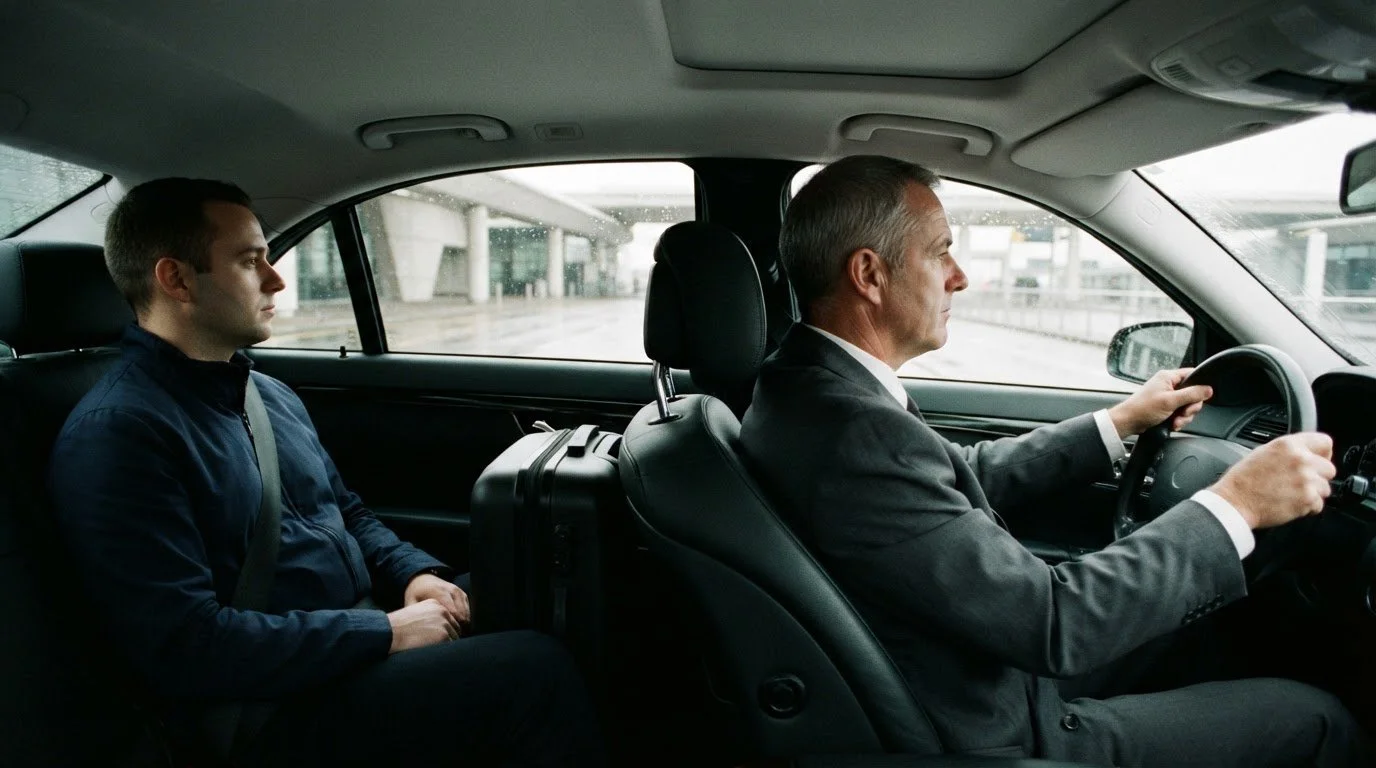
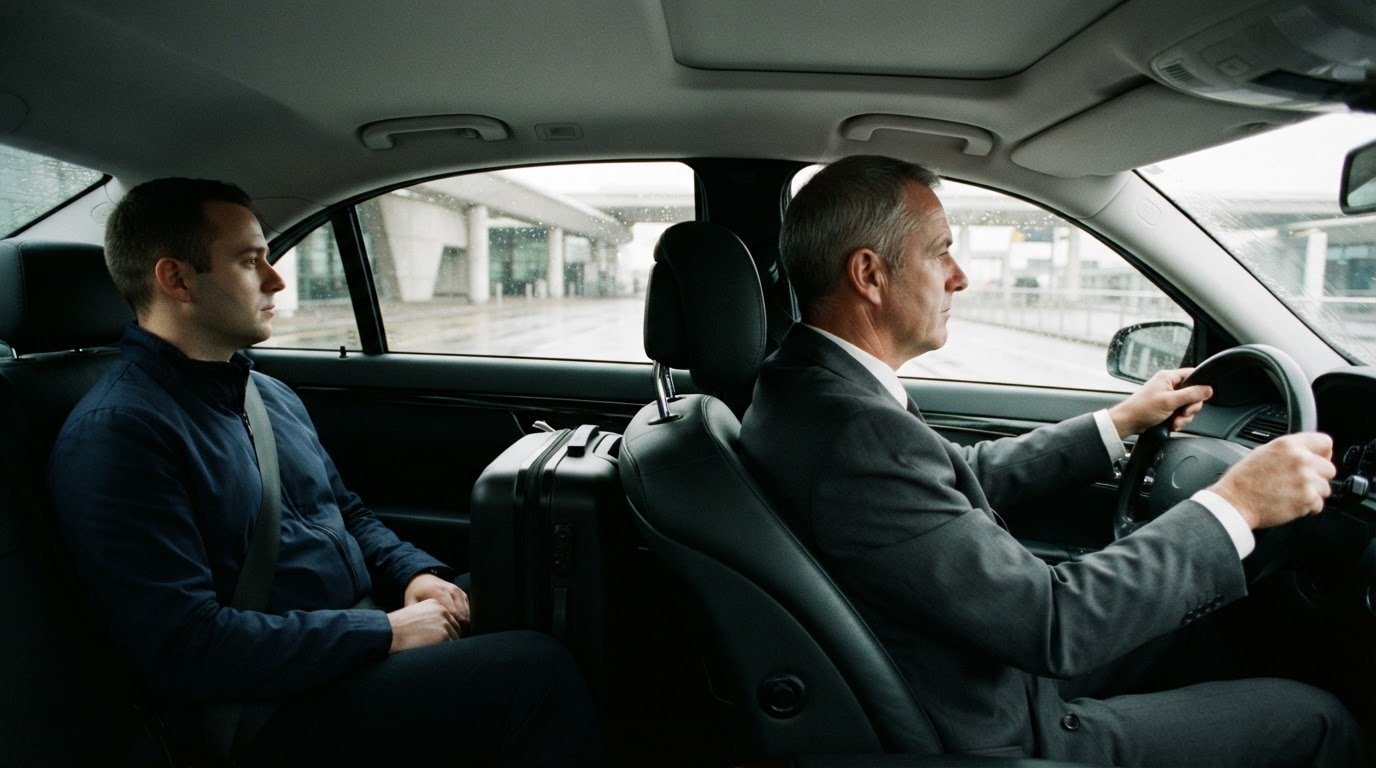
A polished ride is only part of professional chauffeur service. What to expect from a professional chauffeur goes beyond a courteous greeting: safe, composed driving, thoughtful timing, a well-kept vehicle, and attentive service shaped around your journey. The result should feel dependable and comfortable, whether you’re heading to a meeting, the airport, or a special occasion.
It’s natural to value a smooth arrival and a driver who respects your time and privacy. This article explains how professional chauffeurs support passenger safety, prepare for changing road conditions, communicate about timing, and tailor the experience to your preferences. You’ll also see how these standards apply to business travel and personal plans, helping you recognize the care behind a well-managed trip.
Key Takeaways
- Look for a clean, well-maintained vehicle as part of a composed and comfortable journey.
- Expect defensive driving that anticipates road conditions and prioritizes passenger safety.
- Professional courtesy includes respectful communication, discretion, and service adapted to your preferences.
- Thoughtful route planning and clear updates help keep travel on schedule when plans change.
- A polished appearance and considerate gestures, such as assistance with doors or luggage, help set a professional tone.
1. Are chauffeur services only for business and formal events?
No. Chauffeur services suit airport transfers, business meetings, special events, date nights, and sightseeing. They’re defined by professional driving and passenger-focused service, not by a formal dress code or occasion. Taxi and rideshare services use different transportation and booking models, while limousine can describe a vehicle or service type. A limousine journey may also include a professional chauffeur, so these terms aren’t always mutually exclusive.
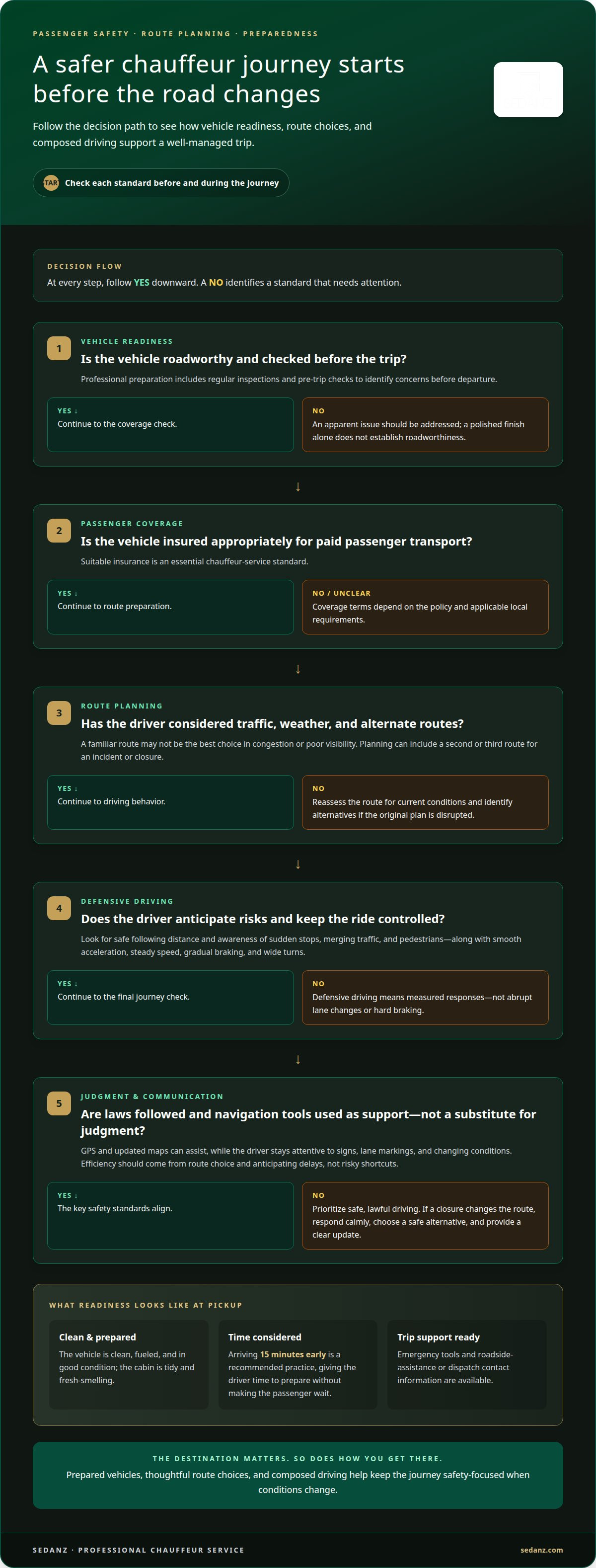
Preparation begins before pickup. A professional driver checks the vehicle daily to identify issues before departure, then keeps it clean, fueled, and in good condition. These checks support a punctual arrival and help prevent avoidable disruptions. A chauffeur may also plan the route around the pickup location and destination. Arriving 15 minutes early is a recommended practice, giving the driver time to prepare without making the passenger wait.
Cleanliness should be evident as soon as you approach the vehicle. The exterior should be clean, and the cabin should be tidy and fresh-smelling, with seats and commonly touched surfaces presentable. After a business meeting, for example, you should be able to get in without encountering clutter from an earlier trip. A clean cabin also adds comfort on an airport transfer or evening outing, when the ride is part of the overall experience.
Maintenance goes beyond appearance. A vehicle needs regular inspections and functional amenities, while pre-trip checks help identify concerns before the journey begins. The driver should address an apparent issue rather than treating a polished finish as proof of roadworthiness. These practices matter on short point-to-point journeys as well as longer sightseeing trips. They also help keep the schedule composed, instead of uncovering a preventable problem at pickup.
Cabin comfort should suit the journey, whether you’re preparing for a meeting or enjoying a personal occasion. A professional chauffeur keeps the interior orderly and responds courteously to reasonable preferences during the trip. Vehicle choice also shapes the experience: a luxury sedan can suit individual business travel, while a larger vehicle may better accommodate an event group. In either case, cleanliness, preparation, and punctuality make the service feel considered rather than merely formal.
2. Defensive driving and passenger safety
A chauffeur service should use a roadworthy vehicle and carry insurance appropriate for paid passenger transport. Safe driving, vehicle condition, and suitable coverage are essential standards. Insurance terms depend on the policy and applicable local requirements.
Defensive driving starts with anticipating risks, not reacting at the last moment. A chauffeur maintains a safe following distance and watches for sudden stops, merging traffic, and pedestrians. That space allows measured responses when road conditions change unexpectedly and helps preserve passenger comfort in busy traffic.
Before departure, the driver considers traffic and weather. A familiar route may not be the best choice in heavy congestion or poor visibility. Professional route planning includes alternatives, such as a second or third route if an incident or closure disrupts the original plan. A reliable chauffeur adjusts the route while keeping the destination and your schedule in view.
Control matters inside the vehicle. Smooth acceleration, steady speed, gradual braking, and wide turns help limit jolts and keep the ride composed. A chauffeur avoids abrupt lane changes and hard braking, which can unsettle passengers and their belongings. Where practical, the driver also avoids potholes and rough surfaces. These choices make longer journeys more comfortable without compromising attention to traffic.
Safe, efficient driving also means obeying traffic laws. Speeding, rolling through a stop sign, or rushing through a yellow light puts time ahead of safety. A professional driver accepts that a journey may take longer when conditions call for caution. Efficiency comes from choosing a suitable route and anticipating delays, not taking risks.
Navigation skills support those decisions. A chauffeur can use GPS and updated maps while staying attentive to signs, lane markings, and changing conditions. Navigation tools assist, but they don’t replace judgment. If a road closure appears, the driver can assess a safe alternative rather than making a sudden maneuver. Keeping emergency tools and roadside-assistance or dispatch contact information available also supports trip preparation.
Passengers can expect the driver to remain composed if traffic slows or the route changes. A road closure, for example, may require a detour and a clear update about the revised journey. The chauffeur should respond calmly, choose a safe alternative, and avoid unnecessary conversation during complex maneuvers. This balance supports comfort, convenience, and control.
For a trip where careful planning and composed driving matter, a professionally managed chauffeur journey can offer a calm way to travel.
3. What Are the Characteristics of Professional Chauffeur?
A professional chauffeur makes each interaction considerate, composed, and attentive to the passenger. Courtesy begins before the vehicle moves: the driver greets you, confirms the destination, and assists with luggage when needed. During the ride, the chauffeur respects your preference for conversation or quiet. At drop-off, they can help retrieve bags and check that nothing is left behind. These practical gestures turn transportation into thoughtful hospitality.
Service begins with clear arrangements. A booking records the pickup location, destination, schedule, vehicle choice, and relevant instructions, such as luggage needs or a planned stop. These details give the driver a clear itinerary and help you understand what the journey covers. Booking terms explain how waiting time, cancellations, luggage, and gratuities are handled; policies vary between chauffeur reservations.
In the United States, a professional chauffeur’s price depends on the trip and is provided after a quote request; the route, duration, vehicle, and schedule shape the amount. To prepare, provide accurate pickup and destination details, timing, passenger and luggage needs, and any planned stops. For a business journey, include the meeting address and required arrival time. Clear information helps align the service with the purpose of your trip.
Professional courtesy also means discretion. A passenger discussing a confidential meeting or making a private call should be treated with respect. The chauffeur can adapt conversation to your preference and share relevant updates without intruding. According to the U.S. Bureau of Labor Statistics, some chauffeurs also handle secretary duties and itinerary planning. That broader support can help organize a complex schedule, though your booking should define the transportation arrangements.
Wedding transportation calls for coordination as well as courteous service. The chauffeur follows the agreed pickup schedule, assists passengers getting in or out, and handles luggage or personal items with care. A wedding party, for example, may need transport between a hotel and venue, with several planned pickup points. Clear instructions about locations and timing help the driver manage the journey smoothly.
Professional service continues through the final drop-off. The chauffeur can confirm the destination, help you collect your belongings, and end the journey with the same courtesy shown at pickup. The defining qualities are attentive assistance, discretion, and clear planning, not exaggerated familiarity. For a business appointment, wedding, or evening out, these standards let you focus on the occasion while transportation remains orderly.
4. Personalized service and punctuality
Punctual transportation starts with details confirmed before departure. A professional chauffeur confirms the pickup location and schedule, then plans around the destination, traffic, and weather. For an executive heading to a meeting, that means allowing time for the route and drop-off, not simply following a map’s shortest path. Careful preparation supports a timely arrival without turning the ride into a race.
Early arrival creates room to prepare. A professional chauffeur is recommended to arrive 15 minutes early, giving time to position the vehicle and be ready at the agreed pickup point. The passenger should know where to meet the driver, especially at a busy hotel entrance or airport terminal. Clear pickup instructions reduce confusion and help the journey begin smoothly.
Route planning also requires alternatives. A road closure, congestion, or sudden weather change can disrupt the original plan. Professional chauffeurs plan alternate routes and adjust as conditions change, rather than relying on one route throughout the trip. For example, a driver facing a blocked downtown street can choose a suitable alternative while keeping the destination and schedule in view.
Airport pickups bring another timing variable: flights may arrive early or late. Flight and traffic monitoring help a chauffeur adapt pickup timing to changing conditions. If an arrival time shifts, the driver or dispatch can coordinate the revised plan and share relevant updates. This attention to detail matters when you’re connecting an airport pickup with a meeting or another scheduled commitment.
Personalized service adapts to your itinerary. A meeting that runs late, an extra stop, or a change of destination can affect timing and route choices. When plans shift, the chauffeur can coordinate with dispatch and explain unavoidable delays. For a business traveler, concise updates make it easier to adjust the next appointment or notify a waiting colleague.
If your chauffeur is late, use the booking’s communication channel to share your pickup point and scheduled time, then request an updated arrival estimate. If the service falls short, describe the specific issue and when it occurred so the concern can be addressed clearly.
Good time management doesn’t mean promising clear roads. It means planning ahead, adapting responsibly, and keeping you informed when delays arise. These habits make punctuality a practical commitment, supported by clear communication and thoughtful route choices.
5. Do chauffeurs open the door?
Yes, opening the door is a familiar courtesy in professional chauffeur service. The driver may greet you, open the door, and allow time for you to get in comfortably. At a busy curb, they should consider nearby traffic and your safety first. The gesture should feel natural, not rushed or overly formal. If you prefer to manage the door yourself, respectful service means following that preference.
Appearance sets the tone before the journey begins. Chauffeurs commonly wear a dark suit or another formal uniform, presenting a polished, professional impression. Clothing should be neat and appropriate for the booking. For a corporate pickup, a well-fitted suit suits a restrained business setting. For an event, attire can remain formal while matching the occasion’s level of ceremony.
Grooming matters because passengers notice practical details at close range. A professional appearance includes clean, orderly clothing and a tidy presentation when greeting passengers or assisting with luggage. For chauffeurs wearing skirts, a knee-length skirt or longer is recommended. These details communicate care without drawing attention away from the passenger or purpose of the trip.
The occasion shapes the finer points of attire. A cap is usually reserved for weddings and other formal events, rather than routine transportation. At a wedding, a chauffeur’s polished presentation can complement the formality without taking the spotlight. For an executive pickup, understated clothing and discreet conduct keep attention on the passenger’s schedule.
Courtesy also includes discretion. A chauffeur should greet you politely, listen to your instructions, and avoid unnecessary familiarity. A passenger returning from a private meeting, for example, may prefer a quiet ride. The driver can respect that preference while remaining attentive to practical requests, such as help with a coat or luggage.
Door assistance should suit the setting and passenger. At a hotel entrance, the chauffeur can open the door and help with a bag. On a narrow street with passing traffic, the driver should choose a safe moment and position before assisting. At drop-off, a courteous farewell and a quick check for belongings complete the interaction without making you feel hurried.
Professional etiquette is a combination of appearance, timing, and judgment. A dark suit alone doesn’t define service; the chauffeur’s conduct must match the passenger’s needs and the occasion. For polished, attentive point-to-point transportation, choose a journey arranged around respectful service from pickup to arrival.
Sedanz
Sedanz helps make professional chauffeured travel more composed, whether you’re traveling for business, connecting to a flight, or attending a personal occasion. Airport Transfers and Point-to-Point Transfers suit direct journeys, while Hourly Charters can support plans with several stops. Luxury Sedan Service is another option for passengers seeking a refined ride. Each service brings together the practical details discussed in this guide: prepared transportation, attentive driving, and courteous passenger care.
Consider Sedanz when you want a chauffeur to support your schedule and make the journey feel considered from pickup to arrival. Share your route and travel plans to find the service that fits your trip. Contact Sedanz to discuss your transportation needs.
Make Your Next Journey Feel More Considered
Understanding what to expect from a professional chauffeur helps you choose a journey that supports the purpose of your day. Before arranging transportation, consider what would make the trip work well for you: a quiet space between appointments, a carefully coordinated arrival, or a comfortable ride for a personal occasion. These priorities can guide the details you share when planning, so the service suits your plans rather than feeling routine.
A well-planned journey can leave you more room to focus on what matters beyond the drive. Whether you’re organizing travel around a demanding schedule or setting aside time for a special event, thoughtful transportation can bring ease to the day. Let your destination, itinerary, and preferences shape the arrangement.
For a chauffeur service tailored to your plans, contact Sedanz about your chauffeur service. Choose the journey that fits your day, and look forward to traveling with greater ease.
Frequently Asked Questions
What Are the Characteristics of Professional Chauffeur?
A professional chauffeur combines sound judgment, discretion, and attentive communication. Knowing what to expect from a professional chauffeur can help you distinguish considerate service from transportation focused only on reaching a destination. For example, a chauffeur should listen when you request a quiet ride, follow the agreed itinerary, and handle an unexpected change calmly. Consistency in these interactions helps make the journey feel organized and respectful.
Why Choose a Chauffeur for Your Travel Needs?
A chauffeur can be useful when you want prearranged transportation shaped around your schedule. A traveler with several appointments, for example, may value having each leg arranged rather than coordinating separate rides. Chauffeur service can also suit a private occasion where a dedicated vehicle and driver keep travel plans straightforward. The right choice depends on your itinerary, preferred level of assistance, and need for planned transportation.
Are chauffeur services only for business and formal events?
No, chauffeur services support personal plans as well as business and formal occasions. A couple might arrange a ride for a date night, while visitors could use a chauffeur for sightseeing or a family outing. The common thread is prearranged transportation suited to the journey, not a requirement for formal clothing or a corporate purpose. Consider the trip’s schedule, stops, and passenger needs when choosing this type of service.
Do chauffeurs open the door?
Yes, opening a passenger’s door is a customary courtesy in professional chauffeur service. The driver should consider the setting first, especially near a busy curb or moving traffic. A passenger may prefer to open the door independently, and the chauffeur can respect that choice without making the interaction awkward. At a hotel entrance, for example, door assistance can make boarding easier and keep the arrival composed.
Do chauffeurs wear uniforms?
Chauffeurs generally wear formal attire, such as a suit or uniform. The exact look can vary with the service and occasion, but neat, appropriate clothing helps establish a professional standard. For a corporate pickup, understated business attire suits the setting; a formal event may call for a more ceremonial presentation. Clothing should remain polished and practical, allowing the chauffeur to assist passengers comfortably.
What are the responsibilities of a chauffeur?
A chauffeur’s responsibilities include transporting passengers safely, following the agreed trip details, and treating personal information with discretion. During the journey, the driver stays focused on road conditions and the destination. If the itinerary changes, clear communication helps keep the trip coordinated. For instance, adding a planned stop may require the driver to adjust navigation and timing while maintaining a courteous, professional manner.
Will my chauffeur contact me before pickup?
Passengers may receive a pre-pickup message with the chauffeur’s name, phone number, and vehicle details. This information can make it easier to identify the correct car at a hotel entrance or airport pickup area. Keep your booking details accessible and use the provided communication channel if your pickup point changes. Messages and contact procedures vary by service, so follow the information included with your reservation.
What services does a professional chauffeur typically provide?
Professional chauffeur services commonly include prearranged airport, point-to-point, hourly, and event transportation. Sedanz offers these trip formats for different needs: an airport journey, a direct transfer, a schedule with multiple stops, or transportation for an occasion. An hourly booking, for example, may suit a day with several appointments, while a direct transfer fits travel between two locations. Choose the format that matches your itinerary.